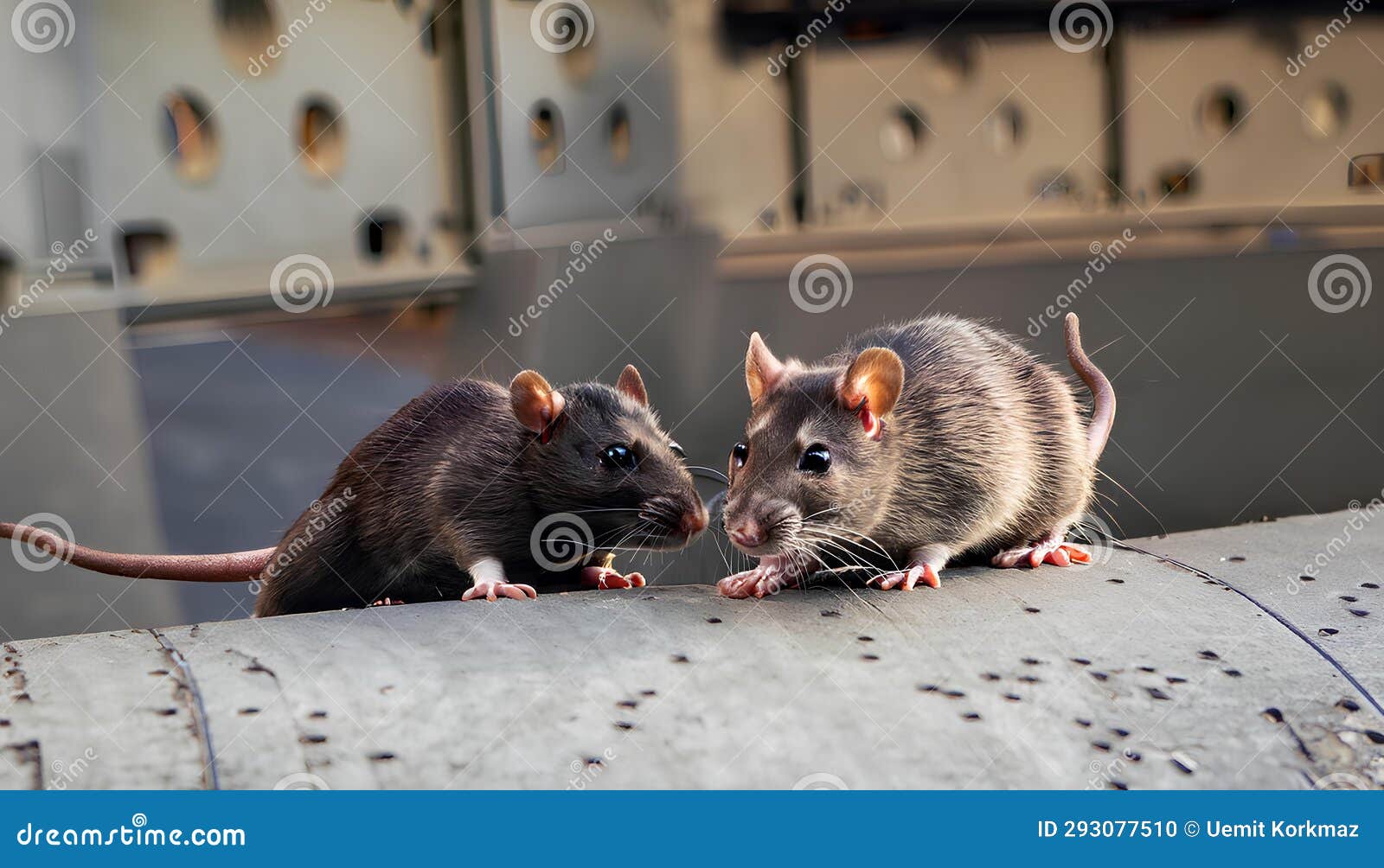
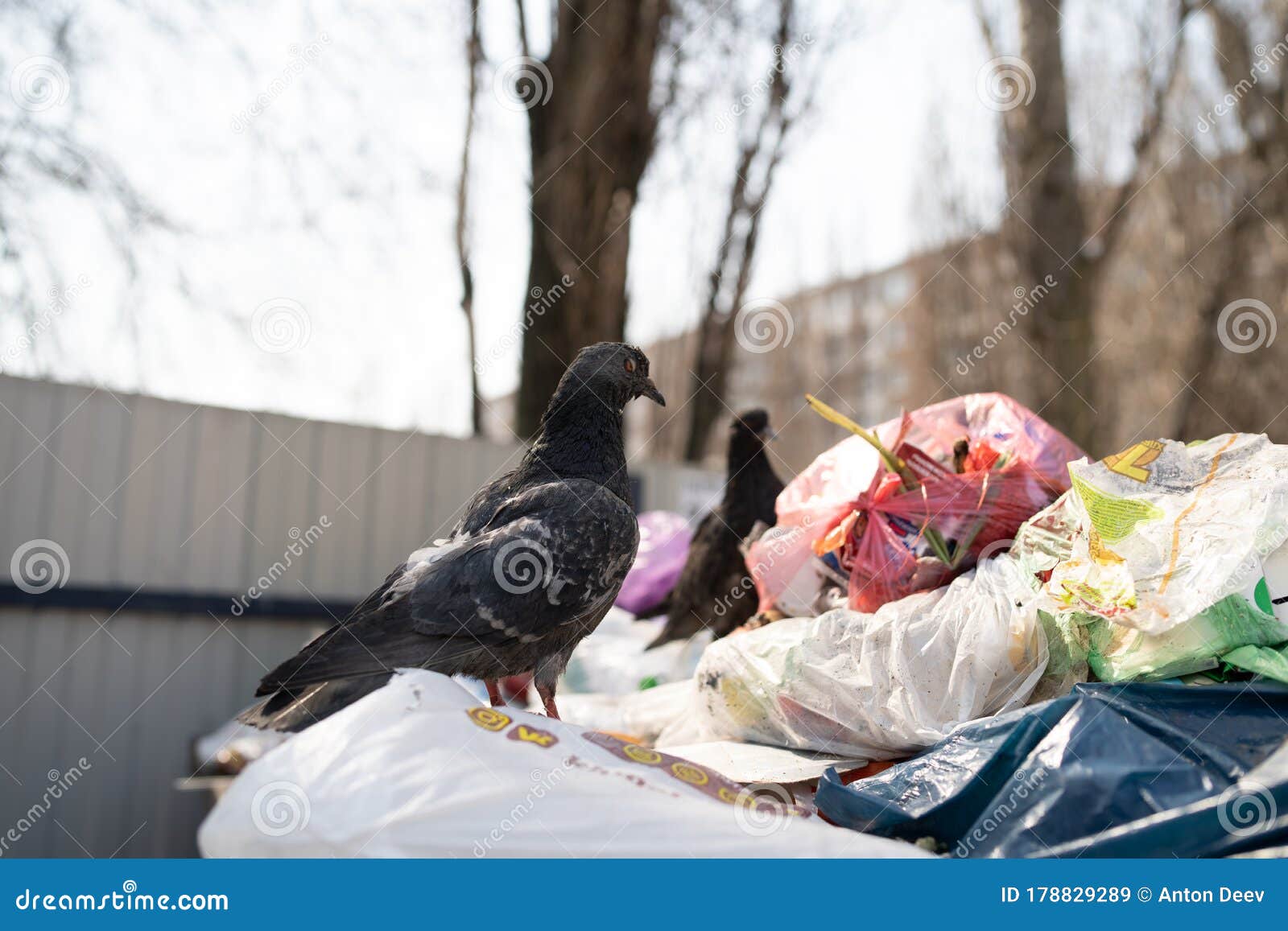
Rats in the City Eat Garbage Stock Illustration Biology Diagrams In cities, certain characteristics become more prevalent as these birds adjust to life alongside humans. For instance, pigeons that excel at scavenging food scraps or utilizing unconventional nesting sites are more likely to thrive and reproduce. This adaptability results in specific genetic traits becoming predominant among city pigeons.
An arctic tundra food chain: Moss and Lichens (Producer) → Arctic Hare (Primary Consumer) → Arctic Fox (Secondary Consumer) → Polar Bear (Tertiary Consumer) Diving into Food Webs. While food chains provide a clear, linear model of energy flow, nature is far more complex. Food webs present a more accurate picture, showcasing the Scavengers occupy a secondary-consumer position in the food chain, meaning that they consume animals that consume plants or other animals. Scavenger examples include hyenas, vultures and lobsters. Most scavengers feed primarily on meat, but some eat dead plants and some occasionally hunt live prey.

What Purpose Do Rats Serve in The Ecosystem? Biology Diagrams
Pigeons thrive in cities by feeding on scraps and leftovers from humans, particularly in city squares and parks. They have even adjusted their nesting habits to accommodate the man-made structures around them. With their excellent navigation skills, pigeons often return to the same spots, making them a consistent presence in urban areas.

scavenger is an organism that mostly consumes decaying biomass, such as meat or rotting plant material. Many scavengers are a type of carnivore, which is an organism that eats meat. While most carnivores hunt and kill their prey, scavengers usually consume animals that have either died of natural causes or been killed by another carnivore.
Food Chains and Webs: The Circle of Life Biology Diagrams
What Is a Scavenger in a Food Chain? This article delves into what makes a scavenger an essential component of a food chain and explores various aspects of their roles and behaviors. The Role of Scavengers in Ecosystems. Rats: In urban settings, rats are often seen scavenging through garbage bins and other sources of discarded food A food chain describes how living organisms get their food. All organisms, from the most complex to the most simple ones, need food to survive. Living things can be part of multiple food chains and all connected food chains in an ecosystem combine to make a food web.. As shown in the infographic below, a basic food chain is composed of producers, consumers, and decomposers.
